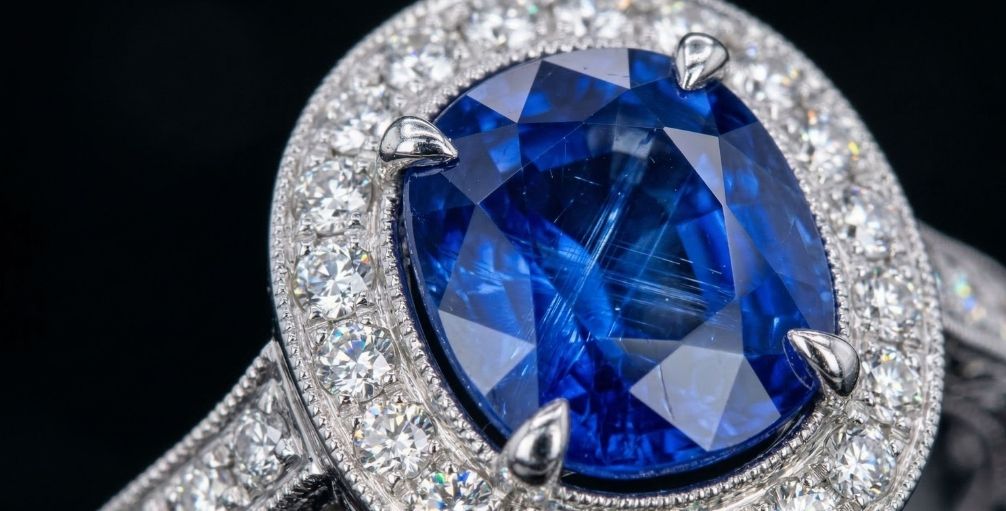
Blue sapphire has captivated jewelry lovers for centuries. Yet every blue sapphire is different. Color, clarity, origin, rarity, treatment, and cut can all influence its beauty and value.
From rare natural sapphires formed through geological processes deep within the Earth to modern laboratory-grown sapphire created through advanced crystal-growth technology, the world of blue sapphire offers remarkable variety.
In this guide, we explore famous sapphire origins, what determines blue sapphire price, how to choose a blue sapphire ring, and how modern laboratory-grown sapphire is creating new possibilities for jewelry
1. What Is Blue Sapphire?
Sapphire is the gem variety of corundum, a mineral composed primarily of aluminum oxide.
In blue sapphire, trace elements such as iron and titanium contribute to its characteristic blue color. But chemistry is only part of the story.
Color, tone, saturation, transparency, inclusions, cut, treatment, and geographic origin all contribute to the appearance and value of a natural sapphire.
This is what makes every sapphire stone unique.
2. Natural Blue Sapphire: Famous Origins
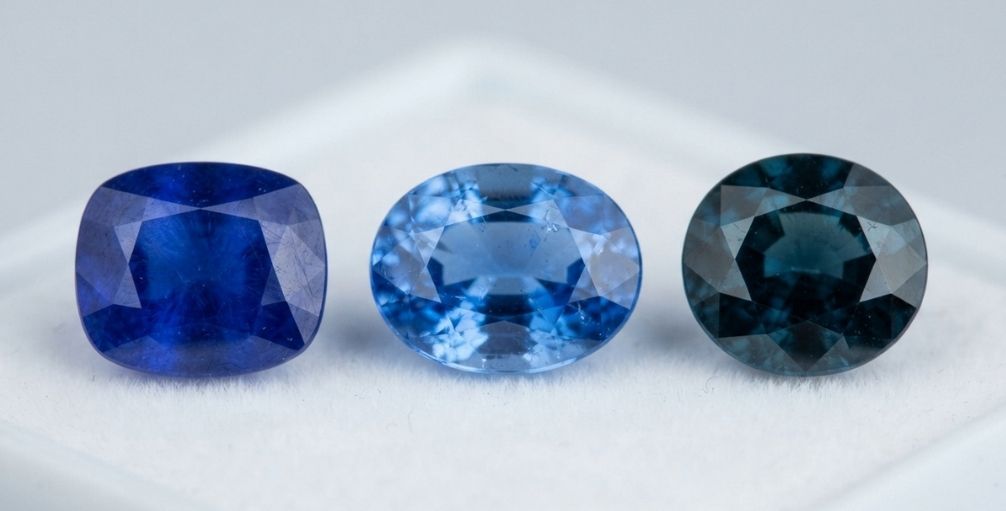
Kashmir: The Legendary Velvety Blue
Kashmir sapphires are among the world’s most coveted natural blue sapphires.
The finest examples are famous for their rich blue color and distinctive velvety appearance, created by microscopic internal features that interact with light.
Because significant commercial production from the historic Kashmir deposits has largely ceased, fine sapphires with well-documented Kashmir origin are exceptionally rare and can command extraordinary prices.
Sri Lanka: Bright and Lively Blue
Sri Lanka, historically known as Ceylon, has been an important source of sapphire for centuries.
Ceylon sapphires are often admired for their bright, lively colors and attractive transparency, ranging from delicate light blues to more saturated shades.
Fine untreated Ceylon sapphires with excellent color and transparency are highly regarded in the international gem trade.
Madagascar: A Modern Sapphire Powerhouse
Madagascar has become one of the world’s major sapphire sources since significant deposits gained international attention in the late twentieth century.
Its sapphires display an impressive range of colors and qualities, including blue stones ranging from soft pastel tones to vivid, highly saturated blues.
Some exceptional Madagascar sapphires can closely resemble material from historically famous origins, making professional gemological origin determination particularly important.
Australia: Deep and Distinctive
Australian sapphires, particularly those from Queensland and New South Wales, are often associated with deeper and more subdued colors.
Their relatively high iron content can contribute to dark blue, blue-green, or greenish-blue tones.
For those who appreciate a distinctive and understated interpretation of blue sapphire, Australian material offers its own unique character.
3. How Much Does a Blue Sapphire Cost?
There is no single blue sapphire price.
The value of a sapphire can vary significantly depending on its color, clarity, transparency, size, cut, treatment, origin, rarity, and overall quality.
Fine natural sapphires from prestigious origins such as Kashmir can command exceptionally high prices because of their rarity. At the same time, beautiful sapphires from Sri Lanka, Madagascar, Australia, and other sources can offer a much wider range of price points.
Treatment is another important consideration. Many natural sapphires on the market have been heat treated to improve their color and clarity. Fine sapphires with no indications of heating can command a significant premium, particularly when their quality and origin are well documented.
Laboratory-grown sapphire follows a different value structure. Because it is created under controlled conditions rather than formed naturally, it is not subject to the same geological rarity as natural sapphire and can be considerably more accessible.
For this reason, when considering sapphire price, it is important to look at the individual characteristics and origin of the stone rather than relying on carat weight alone.
4. Natural vs. Laboratory-Grown Sapphire
Modern crystal-growth technology makes it possible to produce sapphire in controlled laboratory conditions.
Laboratory-grown sapphire is synthetic corundum, not a simulant. It has essentially the same chemical composition and crystal structure as natural sapphire and shares its fundamental physical properties.
Both natural and synthetic sapphire have a Mohs hardness of approximately 9, making sapphire exceptionally durable for everyday jewelry.
The key difference is origin.
Natural sapphire is formed through geological processes, while synthetic sapphire is grown by humans using controlled laboratory methods.
Depending on the growth method, synthetic sapphire can offer excellent consistency in color, clarity, and crystal quality. It also provides an accessible alternative to rare, fine-quality natural sapphire.
5. Choosing a Blue Sapphire Ring
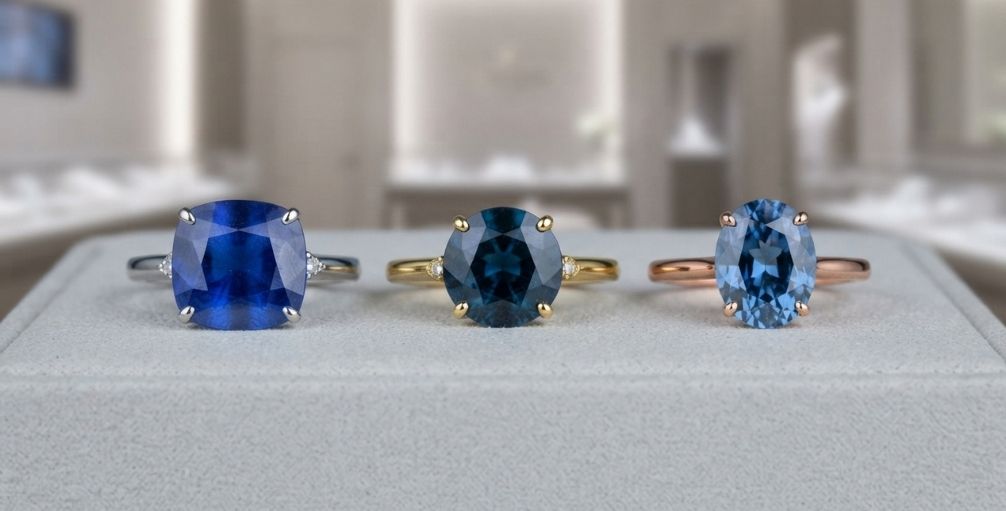
A blue sapphire ring combines the distinctive color of sapphire with excellent durability.
With a Mohs hardness of approximately 9, sapphire is well suited to everyday jewelry, including engagement rings and other frequently worn pieces.
When choosing a sapphire ring, consider several factors:
- Color: Look for a blue that suits your personal preference, from soft and delicate to rich and saturated.
- Transparency and clarity: These can have a major effect on the stone’s brightness and overall appearance.
- Cut: Good proportions and facet arrangement can significantly influence light return and brilliance.
- Size: Larger fine-quality sapphires become increasingly rare.
- Treatment: Understanding whether a natural sapphire has been heat treated is important when comparing stones.
- Origin: For exceptional natural sapphires, a well-documented geographic origin can influence value.
The setting also matters. White gold, platinum, yellow gold, and rose gold can each create a different visual relationship with the blue of the sapphire. Diamonds or other accent stones can further emphasize its color and brilliance.
Whether you choose a natural sapphire or a laboratory-grown stone, the best sapphire ring is ultimately the one whose color and character speak to you.
6. DIAMONDLITE SAPPHIRE®: A New Approach to Sapphire Brilliance
Blue sapphire has traditionally been loved for its color.
But a truly captivating gemstone is about more than color alone.
Light performance matters too.
The way a sapphire is cut—including its proportions and facet arrangement—can have a significant effect on how it interacts with light and how bright and lively it appears.
This is the idea behind DIAMONDLITE SAPPHIRE®.
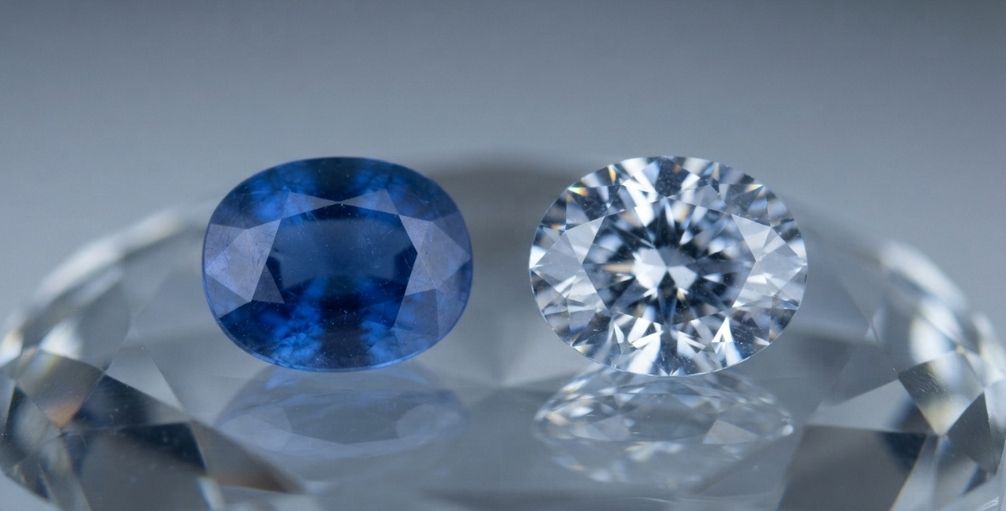
Created for those who love the depth and character of blue sapphire but also desire an exceptionally bright and lively appearance, DIAMONDLITE SAPPHIRE® places particular emphasis on the relationship between rich color and visual brilliance.
Rather than trying to make sapphire into diamond, the goal is to highlight what makes sapphire unique while enhancing its visual impact.
As the stone moves, different facets interact with the surrounding light, creating changes in brightness and flashes of light that give the gemstone a dynamic presence.
It is not diamond—and it does not need to be.
Its appeal lies in bringing together the depth of sapphire color with an exceptionally bright and captivating appearance.
7. Find Your Ideal Blue
There is no single “best” sapphire.
A rare Kashmir sapphire may appeal to collectors drawn to geological history and exceptional rarity.
A Ceylon sapphire may offer beautiful brightness and transparency.
Madagascar offers remarkable diversity, while Australian sapphire is known for its distinctive deeper tones.
For others, laboratory-grown sapphire offers consistency, accessibility, and modern innovation.
And for those who place particular emphasis on brilliance, DIAMONDLITE SAPPHIRE® offers a contemporary way to experience blue sapphire.
At our boutique, we offer a carefully curated selection of natural sapphires, laboratory-grown sapphires, and our proprietary DIAMONDLITE SAPPHIRE® collection.
Discover the DIAMONDLITE SAPPHIRE® Collection



![See you at the Hong Kong Jewellery Show💎
📍 Booth [ 3B13 ]
🗓️ Sept 14–18,2026
#gemstones #hongkong #hongkongjewelleryshow2026](https://diamondlite.co.jp/wp-content/plugins/instagram-feed/img/placeholder.png)